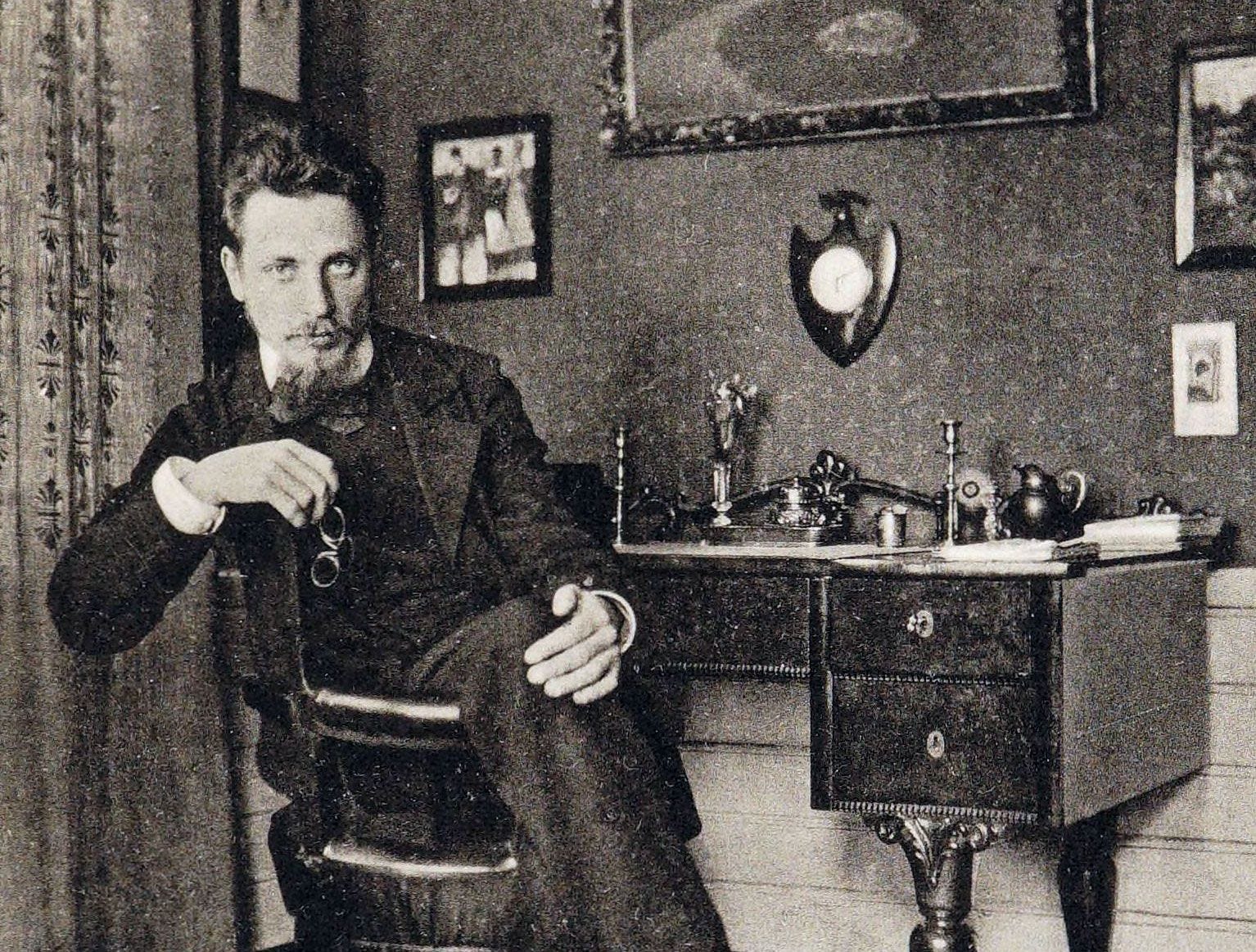
Between 1903 and 1908, the artist and poet Rainer Maria Rilke maintained a correspondence with a young admirer, the poet Franz Xaver Kappus.
This exchange of letters later became one of the key sources for understanding Rilke’s artistic and spiritual development.
In the first letter, Kappus asks Rilke for his opinion on his poetic work. Although the reply took some time to arrive, it proved well worth the wait: it reads as a genuine manifesto on art and creation.
After offering kind greetings, Rilke clearly positions himself: there is no worse way to approach a work of art than through purely critical judgment.
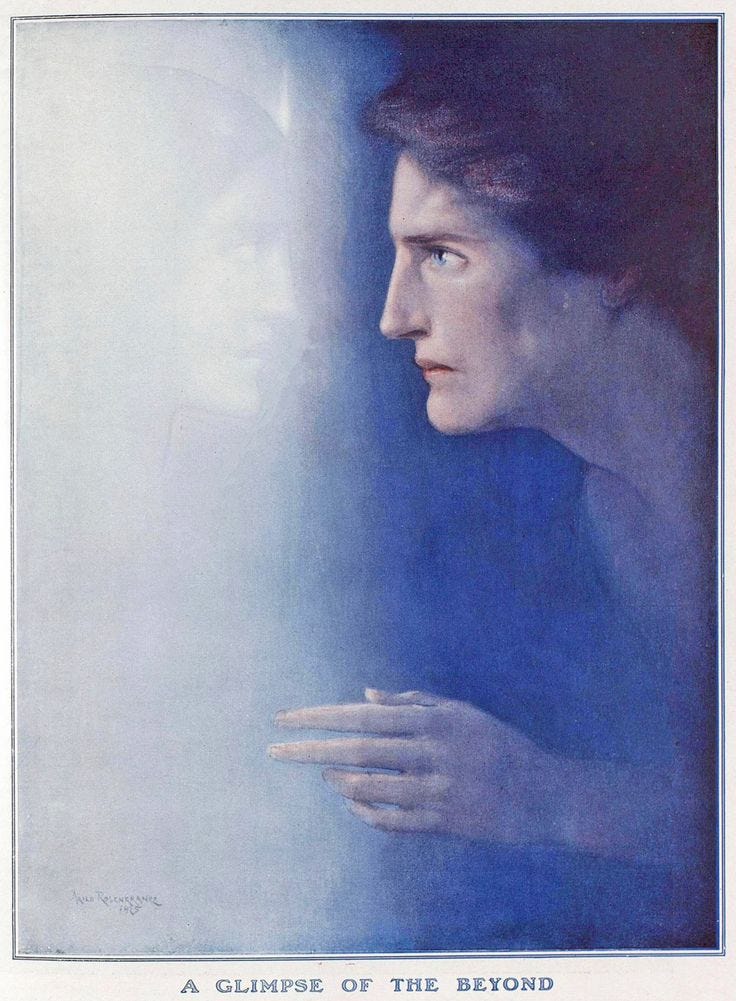
Works of art, he suggests, are mysterious realities that exist alongside us and endure through the centuries. They cannot be confined within fixed limits or evaluated according to predetermined standards, for they arise from the deepest and most inexpressible parts of our inner being.
“No one can advise and help you, no one.”
There is only one way. You. Your inner self. The author urges Kappus to examine himself in order to determine whether he is called to be a writer or not.
“Examine the reason that bids you to write; check whether it reaches its roots into the deepest place of your heart; admit to yourself whether you would die if it should be denied you to write.”
What he defends concretely is the act of creating in solitude, and the fact that no one can tell you how to improve or conceive art, because art is born from the depths of our souls. It is the most solitary of all activities.
The creative force—the source of all willpower—is not something we need to seek outside ourselves. It is already within.
If you have ever felt the compelling need to write or create, dedicate every moment—every day, every thought—to it. Never give up; the very act of nurturing those ideas is part of the creative journey.
Imagine you are Adam, the first human. Everything is new to you: every feeling, every sensation, every other being. Let the world feel new to your mind once again.
“Try to say what you see and experience and love and lose.”